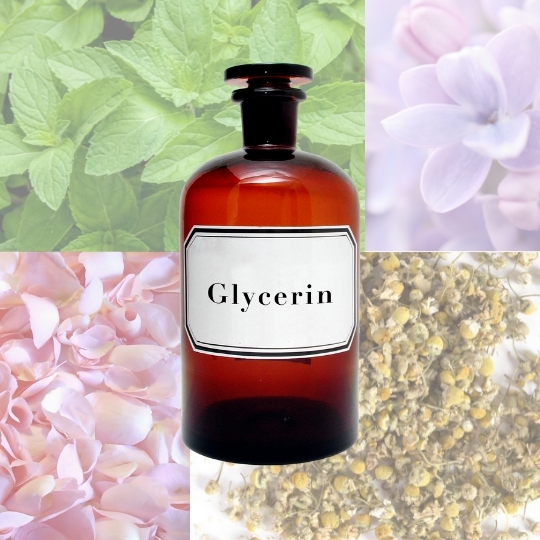
Herbal glycerites are a gentle form of tincture. Though many decree glycerites are “non-alcoholic”, this isn’t strictly true as glycerine is actually a sugar alcohol. However, it comes with none of the typical effects of alcohol, making glycerites pretty perfect for those who can’t or shouldn’t ingest alcohol, whether due to age, religion or health issues. Made similarly to your traditional tincture, glycerites replace alcohol with food grade vegetable glycerine. This glycerine is processed from vegetable oils such as coconut, palm, soy, etc.
Sourcing good quality, organic, food grade glycerine is important. Much conventional glycerine is a by-product of the biodiesel industry and should be avoided. I personally buy from Akoma Skincare who offer a range of volumes, are vegan and organic certified and are just an all-round cool homegrown company. Their glycerine is processed from Karanja or Mahawa oils so has the added benefit of being palm-free. But you can find good quality vegetable glycerine from various places, such as Naissance or Aromantics too.
Glycerine is a thick, colourless and odourless liquid with a sweet flavour. Though sweet, unlike sugar, it has no impact on blood sugar levels and has no negative impact on teeth. Amazing! It is quite often used within the cosmetics industry where it is used in soaps, lotions, hair products and even toothpaste. As a humectant, it helps retain moisture so you can see why it might be of benefit here.
Glycerine does seem to have an affinity for herbs high in tannins but can be used to extract constituents in other fresh herbs too. Its preservative nature means herbal glycerites can last between 12 months to 24 months which may not seem long compared to the four to six six years more common in traditional tinctures, but I find is long enough for my smaller harvests and processing from the back garden.
To me, spring seems the perfect time to be working on glycerites, though this isn’t a hard and fast rule by any means. With so much fresh growth though, you’re hit with a wealth of beneficial material and the flavours are retained. Herbal glycerites often tend to have a light, fresh taste too which just shouts “spring” on my tastebuds.
When extracting fresh herbs, use 100% glycerine. When extracting dried herbs, a percentage of water is required to rehydrate the herb somewhat. A ratio of 60:40 glycerine to water is generally considered to be safe but 75:25 is recommended by Mountain Rose Herbs. It is also worth further grinding dried herbs to really open up the surface area in contact with the glycerine.
In a small twist, you can mix herbal glycerites with traditional alcoholic tinctures, as I do in the case of lemon balm glycerite and St. John’s wort tincture. This combination is often used together with the benefit of really uplifting the spirits. This is something I would toy with more as the flavour of the alcoholic tincture is really made more subtle by the addition of the glycerine and the combination is way easier to pour. All wins.
Ways you can use herbal glycerites:
- Take “straight” as tincture.
- Add to fizzy water.
- Use as a syrup on ice cream, pancakes, cake or even added to cocktails (or mocktails).
- Mixed into tea as a sweetener with an extra boost of herbal help.
When preparing fresh herbal glycerites, I tend to follow the general rule of thumb, two thirds plant matter to one third glycerine, but the main thing to focus on is that the glycerine fully covers the herb throughout the maceration process.
Making a glycerite
- Fill a sterilised jar with chopped fresh herb or half full of ground, dried herb.
- In cases of fresh herb, cover completely with glycerine, stirring with a wooden skewer as you go to ensure even coverage, allow for an inch of coverage at the top which should help to keep mould at bay. In case of dried herb, dilute the glycerine to a ratio of 75:25 with distilled or filtered water before covering the herb and allowing an inch at the top.
- Cover the jar and label with the current date. Place in a cool, dark cupboard. Stir every day for a week and then leave for a further three weeks (or up to six weeks in total).
- After maceration, filter through muslin into bottles and label with the current date.
Herbals to try:
- Violet flower
- Catnip
- Lemon balm
- Peppermint
- Chamomile
- Wood betony
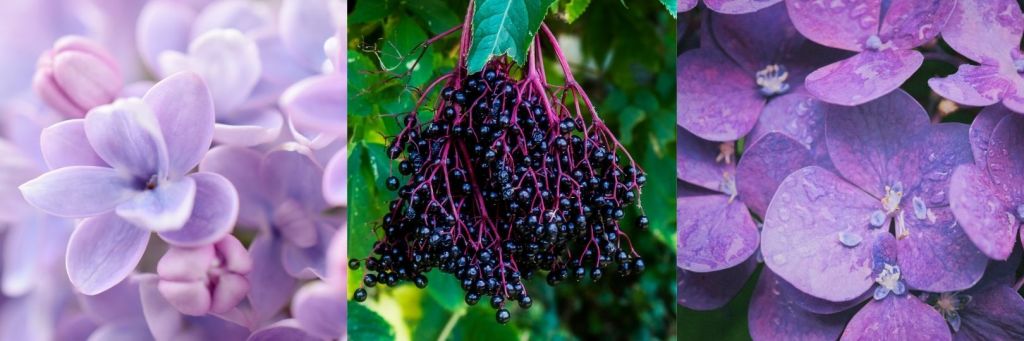
- Elder flowers
- Dried elderberries
- Dried echinacea root
- Fennel
- Ginger
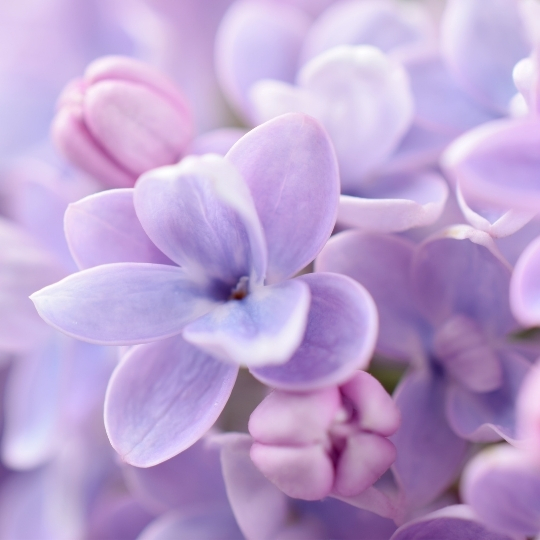
- Lilac (the volatile oils of which are only fat soluble but in order to get a well-rounded tincture, the addition of vodka is also advised)
 Herbal She Wrote
Leave a comment